

Apple Mac AI demand growth, Apple delivered an impressive performance in its most recent quarter, with iPhone sales and its high-margin Services segment once again leading the headlines. However, what stood out beneath the surface was the surprisingly strong performance of the Mac business, which exceeded Wall Street expectations and signaled a potential shift in how Apple’s computers are being used in the era of artificial intelligence. Investors had anticipated Mac revenue to land in the low $8 billion range, reflecting a relatively stable or flat performance compared to the previous year.
Instead, Apple reported Mac revenue of $8.4 billion for the quarter ending March 28, marking a 6% year-over-year increase. This growth is particularly notable given that the Mac has traditionally been considered a non-core segment compared to the iPhone, which continues to dominate Apple’s revenue streams. Overall, the company reported total revenue of $111.2 billion, representing a robust 17% increase from the same period last year, underscoring Apple’s continued dominance in the global technology market.
A key driver behind the Mac’s unexpected growth was the launch of new products, particularly the MacBook Neo, Apple Mac AI demand growth which quickly gained popularity among consumers. Although preorders for the Neo began on March 4, the product was only available for a few weeks within the quarter, with most units shipping between mid- and late March. This limited availability suggests that the full impact of the product launch may not yet be fully reflected in the quarterly results, as some demand likely spilled over into the following month due to supply constraints and early sellouts.
Despite this, early indicators point to strong consumer interest and adoption. Apple CEO Tim Cook highlighted during the company’s Q2 earnings call that demand for the MacBook Neo was “off the charts,” exceeding even Apple’s internal expectations. He further noted that Apple achieved a record number of new Mac users during the quarter, attributing much of this growth to the appeal of the Neo, which has successfully attracted customers who may not have previously considered the Mac platform. Apple Mac AI demand growth
Beyond product launches, a more transformative factor behind the Mac’s growth has been the rising demand for devices capable of handling artificial intelligence workloads. As AI continues to reshape industries, developers and enterprises are increasingly seeking hardware that can efficiently run local AI models. Apple appears to have benefited from this trend, even though it was not entirely anticipated by the company. Cook revealed that many users are turning to Mac devices, particularly the Mac mini and Mac Studio, to run local AI models such as OpenClaw.
These models require significant processing power, and Apple’s hardware—especially with its custom silicon—has proven to be well-suited for such tasks. As a result, demand for these machines surged, leading to supply shortages in recent weeks. Cook acknowledged that Apple was caught somewhat off guard by the speed and scale of this demand, noting that customer recognition of the Mac as a capable AI platform is happening faster than the company had predicted. Apple Mac AI demand growth
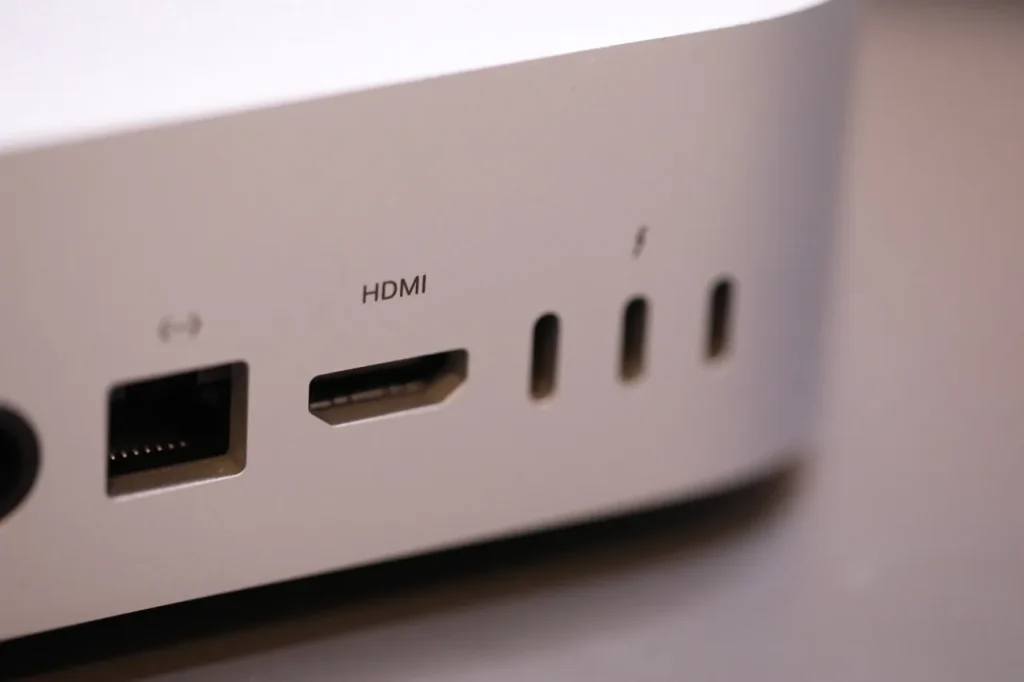
The surge in demand has been particularly evident in international markets such as China, where the Mac mini reportedly became the top-selling desktop computer amid a growing interest in AI technologies like OpenClaw. This highlights how regional trends in technology adoption can significantly influence global sales performance. At the same time, enterprise adoption is also playing a critical role in driving Mac sales.
Apple pointed to companies such as Perplexity, which have chosen the Mac as their preferred platform for developing enterprise-grade AI assistants. This shift toward enterprise use cases represents an important evolution for the Mac, which has traditionally been more consumer-focused. By gaining traction in business and development environments, Apple is expanding the Mac’s relevance and creating new opportunities for sustained growth. Apple Mac AI demand growth
Apple Mac AI demand growth
Despite these positive indicators, there are still some limitations and challenges that Apple must address. On a quarter-over-quarter basis, Mac revenue remained flat, suggesting that while demand is strong, it has not yet reached a level where it can drive consistent sequential growth. Supply constraints are a significant factor in this dynamic. Cook indicated that Apple may require several months to achieve a balance between supply and demand for key products like the Mac mini and Mac Studio. He emphasized that the issue is not due to production problems, but rather an underestimation of demand.
This distinction is important, as it suggests that Apple’s manufacturing capabilities remain intact, but forecasting in the rapidly evolving AI market remains a challenge. The company is now working to ramp up production to meet the heightened demand, but until that balance is achieved, some sales opportunities may continue to be delayed. Apple Mac AI demand growth
The education sector has also emerged as an unexpected growth area for the Mac. Cook noted that certain school systems, including Kansas City Public Schools, are beginning to replace Chromebooks with the MacBook Neo. This shift is significant, as Chromebooks have long dominated the education market due to their affordability and simplicity. If Apple can gain a foothold in this segment, it could unlock a new avenue for growth and introduce younger users to its ecosystem at an early stage. However, supply constraints for the MacBook Neo remain an issue, further underscoring the need for Apple to scale production effectively. Apple Mac AI demand growth
In summary, Apple’s latest quarterly results reveal a company that continues to perform strongly across its core segments while also uncovering new growth opportunities in areas like AI-driven computing. The Mac’s performance, in particular, highlights how shifting technological trends can redefine the role of existing product lines. What was once considered a secondary business is now showing signs of becoming a critical component of Apple’s future strategy, especially as demand for AI-capable hardware continues to rise. While challenges such as supply constraints and demand forecasting remain, the overall outlook for the Mac appears increasingly positive, driven by innovation, expanding use cases, and growing interest from both consumers and enterprises. Apple Mac AI demand growth
You May Also like Our Previous Post : AI, Smartphones & Chips: The Biggest Trends in Latest Technology News 2026